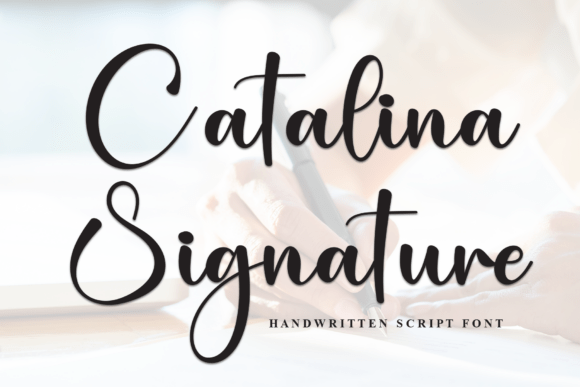
Catalina Signature: A Handwritten Typeface for Elegant Web Design
When I sit down to design a new landing page or refine the UI for a digital product, typography is rarely an afterthought—it is the foundation of user experience. The right typeface does more than just convey text; it sets the emotional tone, guides the eye, and builds trust before a user even interacts with a button. This is where Catalina Signature enters the conversation. As a flowing handwritten font from the Script Amp collection, it brings an elegant touch that feels personal yet polished, making it a powerful asset for modern web designers seeking to elevate their visual hierarchy.
The Visual Personality of Catalina Signature
Catalina Signature is not merely a decorative script; it is a carefully crafted typeface that balances fluidity with structure. Its distinct style mimics the natural rhythm of hand-lettering while maintaining the legibility required for digital screens. For web designers, this balance is critical. Many script fonts fail in digital environments because they become illegible at smaller sizes or clash with sans-serif body copy. Catalina Signature avoids these pitfalls by offering a timeless aesthetic that feels sophisticated without being overly ornate.
The font’s personality is one of refined elegance. It suggests creativity, intimacy, and high-end quality. When used correctly, it can transform a sterile corporate layout into a warm, inviting brand experience. Whether you are designing for a boutique online store, a creative portfolio, or a coaching website, Catalina Signature adds a layer of authenticity that standard geometric fonts often lack. It serves as a creative font that speaks directly to the user’s emotions, encouraging them to linger longer on your content.
Strategic Placement in Web Layouts
In the world of UI design, every pixel counts, and so does every letter. Knowing where to place Catalina Signature is just as important as choosing it. Because it is a display font with strong character, it commands attention. However, overuse can lead to visual clutter and reduced readability. Here is how I recommend integrating it into various parts of a web project:
- Hero Sections and Headlines: This is the sweet spot for Catalina Signature. Use it for main headlines on landing pages or hero banners to create an immediate impact. The flowing lines draw the eye downward, naturally guiding users toward your value proposition or call-to-action (CTA) buttons.
- Section Headers: Break up long-form content by using the font for subheadings. This helps establish a clear visual hierarchy, allowing users to scan the page easily. On blog posts or course sales pages, these headers provide a rhythmic pause that keeps readers engaged.
- Call-to-Action Accents: While full sentences in script fonts can be hard to read, short phrases like "Shop Now," "Learn More," or "Get Started" work beautifully when applied to buttons or banner overlays. Just ensure there is sufficient contrast against the background.
- Logo Design and Branding: For brands looking to establish a unique identity, Catalina Signature offers the versatility needed for logo design. Its handwritten nature implies a human touch, which is invaluable for lifestyle brands, artisanal products, or personal brands.
Readability and Responsive Design Considerations
As web designers, we must prioritize accessibility and performance across all devices. Catalina Signature shines on desktop views, but its application on mobile screens requires careful consideration. On smaller viewports, complex script fonts can lose their detail if scaled too small. To maintain clarity, I advise using larger font sizes for headings and ensuring ample line height to prevent the descenders and ascenders from overlapping.
When placing Catalina Signature over image overlays or dark backgrounds, contrast is your best friend. Use white or light-colored variants of the font against darker imagery to ensure legibility. Conversely, on light backgrounds, a darker ink color provides a crisp, editorial feel. Always test your typography choices in real-world scenarios. Does the text remain readable when the user rotates their phone? Is the spacing comfortable for quick scanning? These questions determine whether your font choice supports conversion-focused layouts or hinders them.
Font Pairing for Modern Typography
No font works in isolation. To maximize the impact of Catalina Signature, it needs a reliable partner for body copy. The golden rule of font pairing is contrast. Since Catalina Signature is a decorative script font, it pairs exceptionally well with simple, neutral typefaces that do not compete for attention.
A clean sans serif font is the most effective companion. Think of minimalist grotesques or neo-grotesques that offer excellent readability for paragraphs, navigation menus, and form fields. This combination creates a balanced digital identity: the script font provides the personality and brand flair, while the sans serif ensures functional clarity. Alternatively, for a more editorial design approach, pairing it with a classic serif font can evoke a sense of tradition and authority, perfect for luxury goods or high-end consulting services.
This strategic pairing supports consistent online identity across different channels. Whether a user encounters your brand on a website, a social media graphic, or a digital ad, the juxtaposition of the handwritten signature with a stable body font reinforces recognition and professionalism.
Practical Applications Across Digital Products
The versatility of Catalina Signature extends beyond static web pages. In today’s digital ecosystem, consistency is key. Here are a few specific use cases where this font delivers exceptional results:
- E-commerce Banners: Use it for seasonal sale announcements or featured product highlights. The elegant touch elevates the perceived value of the items, potentially increasing average order value.
- Digital Course Pages: Education platforms benefit from a friendly yet professional tone. Catalina Signature can soften the learning curve, making course titles and module headers feel approachable and inspiring.
- Portfolio Sites: For creatives, your site is your resume. Using this font for your name or tagline immediately signals artistic sensibility and attention to detail.
- Social Media Graphics: Extend your web design assets to Instagram or Pinterest by using Catalina Signature for quote cards or promotional posts. It maintains brand cohesion across platforms.
Licensing and Technical Implementation
Before implementing Catalina Signature in any client project or commercial venture, it is crucial to understand the licensing terms. Fonts are intellectual property, and using them incorrectly can lead to legal complications. Ensure you have the appropriate commercial license for web usage, which typically includes embedding the font files via CSS or using a webfont service.
Check the included styles and file formats provided by Script Amp. Most premium fonts now offer OpenType features, ligatures, and alternate characters that can enhance your design. If multilingual support is needed for your global audience, verify that the font includes extended character sets. Proper technical implementation ensures fast load times and smooth rendering, contributing to a better Core Web Vitals score and overall user satisfaction.
Conclusion
Catalina Signature is more than just a pretty typeface; it is a strategic tool for web designers who want to inject emotion and elegance into their digital products. By understanding its strengths in visual hierarchy, pairing it effectively with neutral fonts, and applying it thoughtfully across responsive layouts, you can create web experiences that resonate deeply with users. Whether you are building a brand-focused web experience or a high-converting landing page, Catalina Signature offers the distinct, timeless style needed to stand out in a crowded digital landscape.