Synthetic Script Font: Elevate Handmade Branding and Printables
When you are designing for a handmade business, the difference between a good product and a bestseller often comes down to presentation. As someone who spends hours cutting vinyl, printing labels, and arranging digital layouts, I know that typography is not just about words; it is about feeling. This is where Synthetic, a stylish script font from the Script Amp collection, becomes an essential tool in your design arsenal. It captures the beauty of hand-drawn calligraphy while maintaining the clean, modern elegance that today’s customers expect.
If you are looking for a typeface that exudes creativity without sacrificing readability, Synthetic offers a perfect balance. Whether you are creating wedding invitations, boutique product tags, or seasonal SVG designs for Cricut and Silhouette users, this font adds a layer of sophistication that elevates your brand identity instantly.
The Visual Personality of Synthetic
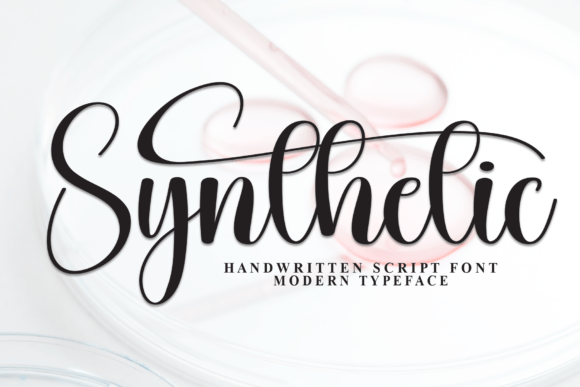
What makes Synthetic stand out among other creative fonts is its flowing strokes and graceful curves. Unlike rigid, formal calligraphy scripts that can feel stiff or difficult to read on small products, Synthetic feels alive. The expressive letterforms mimic the natural pressure and release of a brush pen, giving your designs an organic, artisanal touch. This "handmade" aesthetic is crucial for crafters because it resonates with buyers who value authenticity and personal touch.
The font’s modern elegance ensures it does not look dated or overly ornate. Instead, it bridges the gap between traditional artistry and contemporary minimalism. For sellers on platforms like Etsy or Shopify, this versatility means you can use Synthetic across various niches—from rustic farmhouse decor to chic, minimalist stationery—without your branding feeling disjointed. The visual charm of Synthetic works beautifully as a display font, drawing the eye immediately to key messages on packaging and promotional materials.
Practical Applications for Crafters and Sellers
One of the biggest challenges in crafting is finding a font that looks attractive but remains functional. Synthetic excels in practical product-based projects where clarity meets beauty. Here is how this script font can transform your specific craft outputs:
- Product Labels and Stickers: For candle makers, soap artisans, or jam producers, Synthetic provides an elegant header for ingredient lists or brand names. Its flowing nature wraps nicely around circular or square label formats, adding a premium feel that justifies higher price points.
- Invitations and Stationery: Wedding planners and party designers love Synthetic for save-the-dates, RSVP cards, and welcome boards. The graceful curves convey romance and celebration, making it ideal for events where emotional appeal is paramount.
- Digital Printables and Wall Art: If you sell digital downloads, Synthetic is perfect for motivational quotes, nursery art, or bathroom prints. When paired correctly, it creates high-contrast, visually striking pieces that customers want to frame.
- Seasonal and Holiday Designs: From Christmas ornament tags to Easter basket stickers, the font’s expressive nature allows for playful yet polished designs. You can use it for short phrases like "Merry & Bright" or "Happy Birthday," ensuring the text pops against busy holiday backgrounds.
- Apparel and Accessories: For those using heat transfer vinyl (HTV) or sublimation, Synthetic translates well onto tote bags, mugs, and shirts. The distinct letterforms remain legible even when scaled up or down, provided you follow proper spacing guidelines.
Readability and Production Tips
As a maker, I always advise checking how a font performs in real-world production before committing to a full design suite. While Synthetic is beautiful, it is primarily designed for short phrases, names, titles, and decorative wording rather than long paragraphs of body text. Using it for extensive reading material can fatigue the viewer’s eye.
For cutting machines like Cricut or Silhouette, pay close attention to kerning (the space between letters). Because Synthetic features connecting strokes and varied thickness, improper spacing can cause the blade to cut through adjacent letters or leave gaps that ruin the flow. Always preview your design at the actual size it will be printed or cut. On small stickers or product labels, ensure the thinnest strokes are thick enough to hold together during application.
When creating mockup previews for digital listings, test Synthetic against different background colors. Its modern elegance shines brightest on neutral tones like cream, sage green, or soft gray, which allow the black or white letterforms to stand out clearly. Avoid placing it over cluttered patterns unless you add a solid overlay or shadow to maintain contrast.
Strategic Font Pairing for Brand Consistency
No single font can do everything. To create a cohesive brand identity, you need to pair Synthetic with complementary typefaces. A common and effective strategy is to pair an expressive script font like Synthetic with a clean sans serif font. The sans serif provides structure and readability for secondary information, such as prices, descriptions, or contact details, while Synthetic handles the emotional hook of the headline.
Alternatively, pairing a bold display font with a simple serif font can create a vintage-modern hybrid look. However, for most craft businesses aiming for a contemporary aesthetic, sticking to a sans-serif companion is safer and more versatile. This combination ensures that your designs remain accessible and professional, appealing to a broader customer base.
Technical Details and Licensing
Before purchasing, always check the included styles, alternates, ligatures, and swashes. High-quality script fonts often include special characters that enhance the design, such as swash capitals or connected endings that make phrases look more fluid. Additionally, verify multilingual support if you plan to serve international markets or incorporate foreign phrases into your designs.
Finally, remember the importance of commercial font licensing. If you intend to sell physical products, templates, printables, digital downloads, SVG designs, merchandise, or client work, you must ensure you have the appropriate license. Using a font without proper commercial rights can lead to legal issues and financial penalties. Most reputable foundries offer clear terms regarding how many end-products you can create, so read the fine print to protect your handmade business.
Incorporating Synthetic into your workflow is more than just changing a font style; it is about investing in the perceived quality of your brand. By choosing a typeface that balances artistic flair with practical utility, you create products that customers not only buy but also cherish. Whether you are a seasoned shop owner or a hobbyist dipping your toes into selling, Synthetic offers the creative lift needed to make your handmade goods shine.